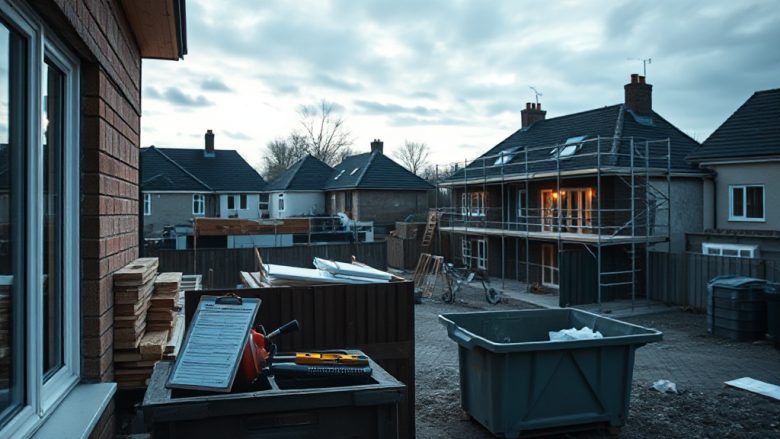
There’s a particular smell to an abandoned extension. Damp plasterboard, diesel from a generator nobody’s collected, and the faint sourness of a skip that’s been sitting half-full for three weeks. The scaffolding is still up. The windows are in, mostly. And there’s no one on site, no answer on the phone, and a client standing in the driveway holding a contract they signed in good faith. I’ve walked onto that scene more times than I’d like. The frustrating part is that almost every one of these jobs started with the same handful of avoidable mistakes.
This list of common building contractors mistakes to avoid comes from the client’s side of the table. It’s not about catching out decent tradespeople. It’s about recognising the warning signs early, asking the right questions before anyone picks up a hammer, and putting clauses in a contract that actually mean something when a job starts to slide.
1. Hiring on price alone
What it looks like on site: the quote is thousands below everyone else’s, the contractor is charming, and the first two weeks go beautifully. Then the money runs out, the materials get cheaper, and the pace drops to a crawl.
Why it happens: a low bid isn’t usually a bargain. It’s often a contractor who has underpriced the job to win it, or who has no intention of finishing at that number. Sometimes it’s simply someone who has never done a job of this size before and doesn’t know what it costs.
How to prevent it: get at least three quotes and look at what’s actually included, not the bottom line. Ask each contractor to break down labour, materials, and contingency separately. If one quote is dramatically cheaper, ask them to walk you through why. A straight answer is a good sign. A vague one isn’t. And never choose on price alone when the difference is the cost of getting it right.
2. No written contract, or a contract full of holes
What it looks like on site: work starts on a handshake and a text message. When a dispute comes up, nobody can point to what was agreed.
Why it happens: people trust each other. A written contract feels like an insult, especially when the contractor is a neighbour’s cousin or a friend of a friend. It isn’t. It’s the thing that protects both of you.
How to prevent it: insist on a written contract before any work begins. It should state the full scope, the price and payment schedule, the start and finish dates, who is responsible for what, and how variations are handled. If a contractor resists putting anything in writing, that’s your answer. Walk away. A contract clause worth adding: any variation over a set amount must be agreed in writing before the work is done, not after.
3. Paying too much, too early
What it looks like on site: a large deposit is handed over, then progress stalls. The contractor needs the next payment for materials, then the one after that for labour. By the time you realise the job isn’t moving, you’ve paid most of the money and got half the work.
Why it happens: cash flow. Small contractors often live job to job, and a big upfront payment is tempting. But a client who has paid 80 per cent for 40 per cent of the work has lost all their leverage.
How to prevent it: tie payments to completed stages, and make each stage verifiable. A deposit is normal, but keep it modest. Never pay for work that hasn’t been done, and never pay in cash without a receipt. If a contractor asks for the next stage payment before the last stage is finished, that’s a red flag worth acting on immediately.
4. Skipping the paperwork that protects you
What it looks like on site: the work is done, but there’s no building regulations sign-off, no electrical certificate, no gas safety record, and no warranty on the work. When something goes wrong, you’re on your own.
Why it happens: it’s boring. Nobody wants to chase certificates when the job looks finished. And some contractors quietly hope you won’t ask, because the paperwork costs them time and money.
How to prevent it: make the final payment conditional on receiving every certificate, sign-off, and warranty document. For anything structural, electrical, or gas-related, this isn’t optional. Ask upfront which approvals are needed and who is arranging them. Get it in the contract that the contractor is responsible for providing them before final payment. If they can’t, the job isn’t finished.
5. Not agreeing how changes will be handled
What it looks like on site: you ask for a slightly bigger window, a different tile, an extra socket. The contractor nods, does the work, and then adds a number to the final invoice that nobody discussed.
Why it happens: variations are where budgets quietly die. Without a process, every small change becomes a negotiation at the worst possible moment, usually when you’re desperate to finish.
How to prevent it: agree a variation process before work starts. Any change should be priced and approved in writing before it’s carried out. Keep a running total of variations so you always know where the budget stands. A good contractor will welcome this. It protects them from doing unpaid work and protects you from surprise costs.
6. Ignoring the warning signs of a struggling contractor
What it looks like on site: the same trades aren’t there two days running. Materials arrive late or not at all. The contractor stops answering calls during the day and only replies in the evening. Subcontractors start asking you directly when they’ll be paid.
Why it happens: contractors get into trouble gradually, not suddenly. By the time the site goes quiet, the problem has usually been building for weeks.
How to prevent it: pay attention to patterns, not isolated bad days. Ask directly if there’s a problem and listen to the answer. If subcontractors tell you they haven’t been paid, treat it as urgent. At that point, stop making further payments until you understand exactly where the money is going. It’s uncomfortable, but it’s far less uncomfortable than funding a job that never finishes.
7. Choosing on personality instead of process
What it looks like on site: the contractor is likeable, communicative, and full of enthusiasm. The work is mediocre. Deadlines slip. Details get missed. But it feels rude to complain, so you don’t.
Why it happens: building work is a relationship, and it’s easy to mistake a good rapport for competence. Charm is not a substitute for a schedule, a contract, or a track record.
How to prevent it: judge the process, not the personality. Ask to see recent work in person, not just photos. Ask for references and actually call them, and ask specifically whether the job finished on time and on budget. Ask how they handle problems when they come up. A contractor who can talk calmly about a job that went wrong is often a better bet than one who claims everything always goes perfectly.
The pre-signature checklist
Before you sign anything or hand over a penny, run through this. It takes twenty minutes and it can save you a year of grief.
Confirm the contract is in writing and covers scope, price, payment stages, start and finish dates, variations, and who handles approvals. Confirm the payment schedule is tied to completed work, with a modest deposit and a final payment held back until certificates and warranties are in hand. Confirm you’ve seen recent work and spoken to at least two past clients. Confirm you know who is responsible for building regulations, electrical, and gas sign-off, and that it’s written down. Confirm there’s a clear process for changes, and that nothing gets done without written approval and a price.
Most of the disasters I’ve cleaned up weren’t caused by bad luck or difficult clients. They were caused by a handful of small decisions made early, when everything still felt fine. Get those decisions right and the odds shift heavily in your favour. The scaffolding comes down, the certificates arrive, and the only thing left to argue about is the colour of the front door.