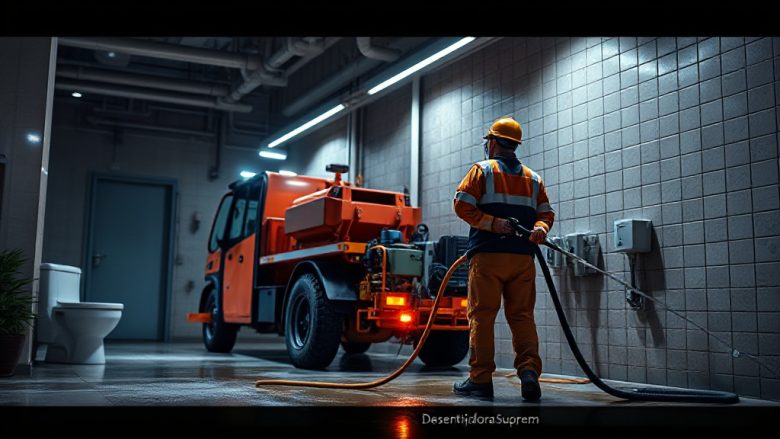
A Day With a Desentupidora in Iguape SP: My Routine From First Call to Final Flush
Your kitchen sink is backing up, the floor drain in the laundry area is gurgling, and there is a faint smell you cannot place. You have already tried hot water, a plunger, and a bottle of drain cleaner, and nothing worked. What you need is not another home remedy but a clear picture of what a professional actually does when they arrive. I run emergency calls for desentupidora Iguape SP, and this is the honest, step-by-step account of a working day, from the first phone call to the moment the water drains clean.
Iguape is a coastal town with a mix of older houses, seasonal properties, and small businesses that serve weekend visitors. That mix shapes the work. Pipes here deal with sand, roots, grease, and long periods of low use, so the job is rarely just about pushing a clog through. It is about finding out why the clog happened and making sure it does not come back next month.
Below is the routine I follow on a typical call-out, written so you can follow along and understand what to expect if you ever need to book a desentupidora Iguape.
The call-out routine, step by step
Step 1: The first call and the questions I ask before leaving
Most jobs start with a phone call, and the first five minutes matter more than people realize. I ask where the water is backing up, how many fixtures are affected, whether the problem is constant or only when one appliance runs, and whether there has been heavy rain recently. A single slow sink is a different job from a floor drain that overflows whenever the washing machine empties.
I also ask about the property: house or apartment, ground floor or upper floor, old construction or recent renovation. In Iguape, older homes often have clay or cast-iron lines that need gentler handling than modern PVC. Knowing this before I leave the depot means I bring the right cable head and the right pressure setting for the hydro-jetter.
One more question saves a lot of time: has anyone already poured chemicals down the drain? If the answer is yes, I treat the line with extra care, because caustic products can soften older pipes and create a hazard when the clog finally breaks loose.
Step 2: Arrival, inspection, and confirming the real problem
When I arrive, I do not start with the machine. I start with my eyes and nose. I check the clean-out caps, look for water stains around the base of toilets, and smell the drain. A rotten-egg smell points to a sewer gas issue; a greasy smell points to kitchen waste; a damp, earthy smell near an outside wall often means a cracked pipe or root intrusion.
Then I confirm the blockage with a simple test. I run water at the furthest fixture and watch what happens at the nearest one. If the nearest drain gurgles when the far one runs, the clog is downstream and the venting may be partly blocked too. This is where many DIY attempts go wrong: people treat the fixture in front of them when the real obstruction sits several meters away.
For anything beyond a simple sink, I use a camera inspection. The camera shows whether the line is blocked by grease, scale, roots, or a collapsed section. Seeing the pipe before touching it is what separates a repair from a guess.
Step 3: Choosing the method — cable, hydro-jetting, or both
The method follows the diagnosis. A manual or electric cable is right for a soft clog in a branch line, such as hair in a shower drain or food waste in a kitchen sink. A rotating head breaks up the mass and pulls it back toward the access point.
Hydro-jetting is the better choice for grease, sand, and scale in main lines. A high-pressure water jet scours the full inner circumference of the pipe, which a cable cannot do. In a coastal town like Iguape, sand and sediment build up in lines that sit empty for months, and jetting is often the only way to restore full flow.
Many jobs need both. I cable first to open a path, then jet to clean the walls. Skipping the second step is a common shortcut that leaves a thin ring of grease behind, and that ring becomes the next clog within weeks.
Step 4: Protecting the property while the work happens
Before any machine goes inside, I lay down floor protection and move anything that could be damaged by splashing. Sewer work is messy by nature, and a blocked line under pressure can release water fast. I also confirm where the main clean-out is and make sure the cap comes off without breaking; a seized cap is its own small job.
If the blockage is in a commercial kitchen, I coordinate with the staff so service is not interrupted longer than necessary. A good desentupidora works around the household or business, not through it.
Step 5: Clearing the line and verifying the flow
Once the equipment is running, I work from the access point toward the blockage in short passes, checking the flow after each one. When the water runs clear at every fixture, I do not stop there. I run hot water through the line for several minutes and watch the clean-out for backflow. If the level rises, the clog is only partly cleared.
Verification is the step customers rarely see, and it is the one that prevents callbacks. A drain that looks clear from above can still be half-blocked deeper in the run.
Step 6: Clean-up, handover, and the advice that prevents a repeat
When the job is done, I flush the area, wipe down surfaces, and bag the debris. Then I walk the customer through what I found. If the cause was grease, I explain how to keep fats out of the sink. If it was roots, I explain that the line needs monitoring and possibly a permanent repair. If it was sand and sediment from seasonal use, I suggest a flush before the property closes for the season.
This handover is where a desentupidora em Iguape SP earns repeat trust. The clog is gone, but the customer now knows why it happened and what to watch for.
Step 7: The emergency night call
Not every job happens at a convenient hour. A backed-up floor drain at 11 p.m. in a rented house, a restaurant with a full dining room and a blocked kitchen line, or a condominium with sewage rising in a ground-floor unit — these are the calls that define the service. Emergency work means arriving with the same equipment and the same checklist, just under time pressure.
On night calls I prioritize stopping the overflow first, then clearing the line, then cleaning up. If the blockage cannot be fully cleared that night, I isolate the affected fixtures so the rest of the property keeps working and schedule the full repair for the next available slot.
What the routine teaches about choosing and working with a desentupidora
The steps above are not just a job description. They are a checklist you can use to judge any provider you call. A company that asks the right questions on the phone, inspects before quoting, explains the method, protects your floors, verifies the flow, and leaves you with prevention advice is doing the job properly. One that quotes a price before seeing the line and reaches for a cable without a camera is guessing.
Cost is the question everyone asks, and the honest answer is that it depends on access, method, and time. A simple branch-line clog is a short job; a main-line blockage with root intrusion, a seized clean-out, or a line that needs camera inspection takes longer and uses more equipment. Ask for the price to be explained in those terms, not just as a single number.
In Iguape specifically, three local factors shape the work. First, seasonal properties mean lines sit unused for months, so sediment and odor problems are common on reopening. Second, sandy soil and coastal moisture put pressure on older pipe joints. Third, the mix of residential and commercial properties means a single street can have very different plumbing standards from one building to the next. A local team knows these patterns and plans accordingly.
One more piece of advice from the routine: keep the access points clear. The clean-out cap behind the house or under the sink is the door to the whole system. If it is buried under storage or painted shut, every future job starts with extra work. Clear access is the cheapest plumbing insurance you can have.
Closing checklist before you book
- Describe the problem precisely: which fixtures, how often, and whether it worsens with rain or appliance use.
- Confirm the provider inspects before quoting and explains the method in plain language.
- Ask whether the price covers verification and clean-up, not just the clearing itself.
- Make sure the clean-out is accessible before the team arrives.
- Keep a record of the visit, the cause found, and any prevention advice given.
If you follow that checklist and the routine above, a blocked drain stops being a crisis and becomes a manageable maintenance event. The water runs clear, the smell goes away, and you know exactly what to do the next time the drain slows down.